
Moving your LLC to another state may sound simple at first.
You move your home, office, inventory, or business operations, so you assume your LLC can move with you.
But an LLC is created under state law. That means your LLC belongs to the state where it was formed. If you formed your LLC in Florida, it is a Florida LLC.
If you formed it in Wyoming, it is a Wyoming LLC. If you now operate from Texas, Georgia, Arizona, or California, you may need to update your business structure.
This is where things get confusing.
You cannot always “move” an LLC the same way you move your laptop or business bank account.
Depending on the states involved, you may need to register as a foreign LLC, domesticate the LLC, form a new LLC, merge the old LLC into the new one, or dissolve the old company after transferring everything.
That sounds technical, but the idea is simple:
You need your LLC to match where your business actually operates.
If you ignore this, you may end up paying fees in the wrong state, missing annual reports, losing good standing, or creating tax and compliance problems.
This guide explains how to move your LLC to a different state in plain English.
Why Would You Move an LLC to Another State?
Business owners move LLCs for many reasons.
Sometimes the owner physically moves to another state. Sometimes the business grows into a new market.
Sometimes the company changes from local to remote. Sometimes the owner wants lower fees, better privacy, or easier compliance.
Common reasons include:
- You moved to another state
- Your main office moved
- Your employees are now in another state
- Your inventory moved to another state
- Your business property is in another state
- Your home-based business now operates from a new state
- You want lower annual fees
- You want better privacy
- You want to simplify compliance
- You want to stop paying fees in a state you no longer use
The key question is not only where you live.
The better question is:
Where is the business actually operating now?
That answer decides what steps you may need to take.
First, Understand the “Doing Business” Rule
Every state has its own rules for what counts as doing business.
But in general, your LLC may be doing business in a state if it has real activity there.
This may include:
- An office
- Employees
- A physical store
- A warehouse
- Inventory
- Local clients
- Property
- Regular services performed there
- Business management from that state
- A home office where the owner runs the business
For example, if you formed an LLC in Wyoming but now live and operate the business from North Carolina, North Carolina may expect your LLC to register there.
If you formed in Delaware but moved your agency to Texas, Texas may matter now.
If you sell online but work from home in Colorado, Colorado may still be your operating state.
Online does not always mean stateless.
A business usually has a real place where it is managed, even if customers come from everywhere.
The Three Main Ways to Move an LLC
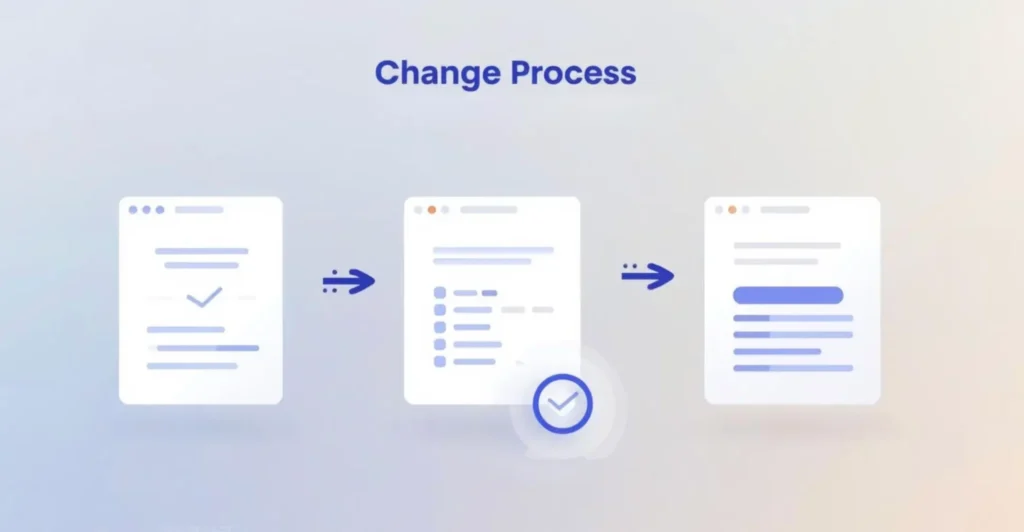
There are usually three main ways to handle an LLC move.
The right option depends on your old state, new state, tax situation, business activity, and long-term plan.
Option 1: Keep the Old LLC and Register as a Foreign LLC
This is often the simplest option.
You keep your original LLC in the old state, but you register it as a foreign LLC in the new state.
A foreign LLC does not mean international. It simply means your LLC was formed in one state and is registered to do business in another.
For example:
You formed your LLC in Wyoming.
You now operate from Florida.
You keep the Wyoming LLC and register it as a foreign LLC in Florida.
Now your LLC can legally operate in Florida, but it still exists as a Wyoming LLC.
When This Option Makes Sense
This option may make sense if:
- You still have business activity in the old state
- You want to keep the old LLC
- You operate in more than one state
- You have contracts tied to the old LLC
- Your state does not allow easy domestication
- You want the least disruptive path
- You may move again later
The Downside
The downside is cost and paperwork.
You may need to maintain the LLC in two states.
That can mean:
- Two registered agents
- Two annual reports
- Two state filing fees
- Two compliance calendars
- Possible taxes in both states
- Extra admin work
This option may be simple at first but more expensive over time.
If you no longer have any connection to the old state, keeping the old LLC may not be worth it.
Option 2: Domesticate or Convert the LLC
Domestication is often the cleanest way to move an LLC when both states allow it.
Domestication means your LLC changes its home state.
The LLC continues as the same business, but it becomes governed by the new state instead of the old one.
For example:
Your LLC was formed in Colorado.
You move the LLC to Arizona through domestication.
After the process, your LLC becomes an Arizona LLC, and you may stop maintaining it as a Colorado LLC if the old state process is properly completed.
Some states call this domestication. Others call it conversion, continuance, transfer, or redomestication.
The wording changes by state.
Why Domestication Is Useful
Domestication can be useful because the business may keep its legal identity.
That means you may not need to create a completely new LLC from scratch.
In many cases, the LLC can keep its contracts, bank history, EIN, ownership structure, and business continuity.
This makes domestication attractive for businesses with:
- Existing contracts
- Business bank accounts
- Licenses
- Employees
- Vendors
- Payment processors
- Business credit
- Ongoing operations
- Customer relationships
The Catch
Not every state allows LLC domestication.
Both states matter.
The old state must allow the LLC to leave or convert out.
The new state must allow the LLC to come in or convert in.
If one state does not allow the process, you may need another option.
You also need to file the right forms in the right order.
This is one of those areas where a lawyer or filing service can help because the process is state-specific.
Option 3: Form a New LLC and Close the Old One
This is the more manual method.
You form a brand-new LLC in the new state. Then you move the business assets, contracts, bank accounts, and operations to the new LLC. After that, you dissolve the old LLC.
This can work, but it is not always clean.
Why?
Because legally, the new LLC is a different company.
You may need to update:
- EIN records
- Bank accounts
- Contracts
- Vendor accounts
- Payment processors
- Licenses
- Permits
- Insurance policies
- Tax registrations
- Website legal pages
- Invoices
- Client agreements
- Payroll records
This option can make sense for very small businesses with few contracts and simple finances.
But for an active business, it may create extra work.
When This Option Makes Sense
Forming a new LLC may make sense if:
- Your old LLC has little activity
- You have no major contracts
- You have no employees
- You have no business credit history
- You want a clean fresh start
- Domestication is not available
- Foreign registration does not make sense
- Your old LLC has no assets or liabilities
The Downside
The downside is business continuity.
You may need to transfer assets, update contracts, and possibly get a new EIN depending on the structure change.
Before using this option, ask a CPA or attorney whether it creates tax or legal consequences.
Should You Dissolve the Old LLC?
If you no longer need the old LLC, you may need to dissolve it.
Dissolution means officially closing the LLC with the state.
Do not simply stop using it.
If you ignore the old LLC, the state may still expect annual reports, franchise taxes, registered agent renewals, and fees. Eventually, the LLC may fall out of good standing or get administratively dissolved.
That sounds like the same result, but it is not the same as closing properly.
A proper dissolution may involve:
- Filing Articles of Dissolution
- Paying final state fees
- Filing final tax returns
- Closing state tax accounts
- Paying remaining debts
- Distributing remaining assets
- Cancelling licenses
- Notifying registered agent
- Closing bank accounts
- Saving final records
If your LLC has no activity, dissolution may be simple.
If your LLC has debts, contracts, employees, or assets, handle it carefully.
Do You Need a New EIN When Moving an LLC?
Sometimes yes, sometimes no.
A simple address change usually does not require a new EIN.
A domestication may not require a new EIN in many cases because the business continues as the same entity.
But if you form a brand-new LLC and close the old one, you may need a new EIN because the legal entity may have changed.
The answer depends on what exactly changes.
Ask:
- Is this the same legal entity continuing in a new state?
- Is the ownership changing?
- Is the tax structure changing?
- Is the old LLC ending?
- Is a new LLC being created?
- Is the LLC moving through domestication?
- Is there a merger?
If you are unsure, check with a CPA before applying for another EIN.
Do not create duplicate EINs casually.
Multiple EINs for the same business can create confusion with banks, tax filings, payroll, and payment processors.
What About the IRS Address?
If your business address changes, update the IRS.
The IRS needs your current mailing address for tax notices and business correspondence.
This is separate from your state filing.
Even if your state records are updated, your IRS records may still show the old address.
You may need to file the proper IRS change-of-address form for business entities.
Also update your address with:
- State tax agency
- Payroll agency
- Sales tax department
- Bank
- Payment processors
- Vendors
- Insurance company
- Registered agent
- Licensing agencies
- Clients
- Accounting software
Moving an LLC is not only a state filing. It is a full business records update.
What Happens to Your Operating Agreement?
If you move your LLC, review and update your operating agreement.
Your old operating agreement may mention the original formation state, registered agent, office address, state law, tax matters, and compliance rules.
If the LLC is domesticated into a new state, the operating agreement should reflect the new state.
If you form a new LLC, you need a new operating agreement.
If you register as a foreign LLC and keep the old LLC, you may still need to update addresses and management details.
For a single-member LLC, this may be simple.
For a multi-member LLC, all members should approve the changes according to the agreement.
Do not skip this step.
Your operating agreement should match reality.
What Happens to Contracts?
Contracts are one of the biggest reasons to be careful.
If you domesticate the LLC, your contracts may continue without much disruption because the entity is often treated as continuing.
But you should still review major agreements.
If you create a new LLC, contracts may need to be assigned or rewritten.
This matters for:
- Client agreements
- Vendor agreements
- Leases
- Loans
- Licenses
- Affiliate agreements
- Marketplace accounts
- Software contracts
- Employment agreements
- Contractor agreements
- Insurance policies
Some contracts do not allow assignment without consent.
That means you may need permission before transferring the contract from the old LLC to the new LLC.
Do not assume everything automatically moves.
For important contracts, ask a lawyer to review.
What Happens to Your Business Bank Account?

If your LLC is domesticated and keeps the same EIN, your bank may only need updated documents.
The bank may ask for:
- Articles of Domestication
- Certificate of Conversion
- Updated state approval
- Updated operating agreement
- Updated address
- Updated registered agent details
If you form a new LLC, you may need a new bank account.
Banks are strict about legal names, EINs, ownership, and state formation documents.
Do not continue using an old LLC bank account for a new LLC without checking with the bank.
That can create messy records.
What Happens to Licenses and Permits?
Licenses and permits do not always transfer automatically.
If you move your LLC to a new state, you may need new licenses.
This can apply to:
- Local business licenses
- Sales tax permits
- Seller’s permits
- Professional licenses
- Contractor licenses
- Health permits
- Food service permits
- Real estate licenses
- Industry-specific permits
- Home occupation permits
A license issued in one state may not work in another.
If you are in a regulated industry, check this before moving.
For example, a contractor, accountant, real estate business, salon, restaurant, or healthcare-related business may have state-specific licensing rules.
What Happens to Sales Tax?
If you sell products or taxable services, moving states may affect sales tax.
You may need to register in the new state, close old sales tax accounts, update marketplace settings, or file final returns.
This is especially important for:
- Ecommerce stores
- Amazon sellers
- Shopify sellers
- Digital product sellers
- SaaS businesses
- Businesses with inventory
- Businesses with warehouses
- Businesses selling across states
If your inventory moves from one state to another, sales tax nexus may change.
If your employees move, nexus may change.
If your business crosses economic thresholds, you may still need sales tax registration in other states.
Do not treat LLC relocation as only a Secretary of State issue.
Tax agencies may also care.
What Happens to Payroll?
If your LLC has employees, moving states becomes more complex.
You may need to register for payroll taxes in the new state.
You may also need to close payroll accounts in the old state if you no longer have employees there.
Payroll changes may involve:
- State withholding tax
- Unemployment insurance
- Workers’ compensation
- Local payroll taxes
- New hire reporting
- Employment law compliance
- Minimum wage rules
- Paid leave rules
- Employee notices
If employees remain in the old state, you may still have obligations there.
If employees move to the new state, you may need new accounts.
This is a CPA and payroll-provider conversation, not a guesswork area.
What Happens to Insurance?
Business insurance may need updating when your LLC moves.
Your policy may be based on your state, office location, business address, payroll, employees, revenue, risk, and industry.
Update your insurance provider if you move your LLC or business operations.
This may affect:
- General liability insurance
- Professional liability insurance
- Cyber insurance
- Workers’ compensation
- Commercial auto insurance
- Property insurance
- Product liability insurance
If you move and fail to update insurance, coverage problems can appear later.
Do not leave insurance under the old address if the business is now operating somewhere else.
Step-by-Step: How to Move Your LLC?
Here is a practical sequence.
Step 1: Identify Your Actual Business Location
Ask where the business is now operating.
Look at:
- Owner location
- Office location
- Employees
- Inventory
- Clients
- Property
- Bank activity
- Licenses
- Management location
This tells you which state matters.
Step 2: Check Whether the New State Allows Domestication
Look up whether the new state allows LLC domestication, conversion, transfer, or continuance.
Then check whether your old state allows the LLC to leave through that process.
Both sides matter.
Step 3: Compare Your Options
Compare:
- Foreign registration
- Domestication
- New LLC formation
- Merger
- Dissolution and restart
Consider cost, tax, contracts, banking, licenses, EIN, and time.
Step 4: Get Tax Advice Before Filing
Before filing anything, speak with a CPA if your business has revenue, assets, employees, partners, inventory, or tax registrations.
Moving incorrectly can create tax issues.
Step 5: File the State Documents
Depending on your method, you may file:
- Foreign LLC registration
- Articles of Domestication
- Certificate of Conversion
- Articles of Organization
- Articles of Dissolution
- Merger documents
- Registered agent change forms
Follow the state instructions carefully.
Step 6: Update the Operating Agreement
Update the operating agreement to match the new structure, state, address, and management details.
For multi-member LLCs, get required approvals.
Step 7: Update IRS and Tax Agencies
Update your business address and tax records.
Also update state tax accounts, sales tax permits, payroll accounts, and local agencies if needed.
Step 8: Update Banks and Payment Processors
Send updated LLC documents to your bank, Stripe, PayPal, merchant account, payroll provider, lenders, and other financial platforms.
Step 9: Update Contracts and Licenses
Review contracts and licenses.
Transfer, amend, or reapply where needed.
Step 10: Close the Old State Properly
If you no longer need the old LLC or old registration, close it properly.
Do not leave it active by accident.
Foreign Qualification vs Domestication
These two options are often confused.
Foreign qualification means your LLC stays in the old state and registers to operate in the new state.
Domestication means your LLC changes its home state and becomes governed by the new state.
Here is a simple comparison:
| Factor | Foreign Qualification | Domestication |
|---|---|---|
| Old LLC continues in old state | Yes | Usually no, after process is complete |
| New state registration | Yes | Yes |
| Number of states to maintain | Usually two or more | Usually one after completion |
| Business identity | Same LLC | Same continuing entity in many cases |
| Complexity | Often simple | More state-specific |
| Best for | Multi-state operations | Permanent move |
| Main downside | More annual fees | Not available everywhere |
If your business will operate in both states, foreign qualification may make sense.
If you are permanently moving, domestication may be cleaner if available.
Common Mistakes When Moving an LLC
1. Moving Personally and Ignoring the LLC
Your personal move does not automatically move your LLC.
Update the business properly.
2. Keeping Two States Open by Accident
Many owners form in the new state but forget to close the old LLC.
Then annual fees keep coming.
3. Applying for a New EIN Too Quickly
A new EIN is not always required.
Do not apply until you know whether the legal entity changed.
4. Forgetting Contracts
Some contracts may need assignment or updates.
Do not assume they transfer automatically.
5. Ignoring Taxes
State tax, sales tax, and payroll rules may change after a move.
6. Not Updating the Operating Agreement
Your internal documents should match your new reality.
7. Forgetting Registered Agent Changes
You may need a registered agent in the new state.
If the old state remains active, you may still need one there too.
8. Missing Annual Reports During the Move
Moving an LLC does not pause deadlines.
Track both states until the process is complete.
Moving an LLC Checklist
Use this checklist before and after the move:
| Step | Task |
|---|---|
| 1 | Confirm where the business actually operates |
| 2 | Check old state rules |
| 3 | Check new state rules |
| 4 | Decide between foreign registration, domestication, or new LLC |
| 5 | Speak with a CPA if revenue or taxes are involved |
| 6 | Review contracts before changing entities |
| 7 | File required state documents |
| 8 | Appoint registered agent in the new state |
| 9 | Update operating agreement |
| 10 | Update IRS business address |
| 11 | Update state tax agencies |
| 12 | Update bank and payment processors |
| 13 | Update licenses and permits |
| 14 | Update insurance policies |
| 15 | Close old LLC or old registration if no longer needed |
| 16 | Save all documents and confirmations |
FAQs About Moving an LLC to Another State
Can I move my LLC to another state?
Yes, but the method depends on the states involved. You may need foreign registration, domestication, conversion, merger, or new LLC formation.
What is LLC domestication?
Domestication is a process that lets an LLC change its home state while continuing as the same business entity, where allowed by state law.
Do all states allow LLC domestication?
No. Some states allow it, some do not, and the rules vary. You need to check both the old state and the new state.
Do I need a new EIN when moving my LLC?
Not always. A simple address change or domestication may not require a new EIN, but forming a new LLC may require one.
Can I just form a new LLC and stop using the old one?
You can form a new LLC, but you should properly transfer business activity and dissolve the old LLC if you no longer need it.
What happens if I do nothing after moving?
Your LLC may still owe reports and fees in the old state, and the new state may require foreign registration or local compliance.
Should I use a lawyer to move my LLC?
If your LLC has contracts, employees, assets, partners, debt, licenses, or meaningful revenue, legal or tax help is a smart move.
Final Thoughts
Moving your LLC to another state is possible, but it requires careful handling.
You have a few paths. You can keep the old LLC and register as a foreign LLC in the new state.
You can domesticate the LLC if both states allow it. You can form a new LLC and close the old one. In some cases, you may use a merger or more advanced restructuring.
The right path depends on your business.
A solo freelancer with no contracts may have a simple move.
An ecommerce business with sales tax accounts, inventory, payment processors, and vendors needs more planning.
A multi-member LLC with contracts, employees, and loans should not move casually.
The goal is simple: keep the business active, compliant, and clean.
Before filing anything, check both states, understand the tax impact, review contracts, update your operating agreement, and keep records of every step.
A well-planned move can simplify your business.
A messy move can create two-state fees, tax confusion, bank problems, and compliance headaches.
Move the LLC the same way you should run the LLC: carefully, cleanly, and with paperwork that matches reality.